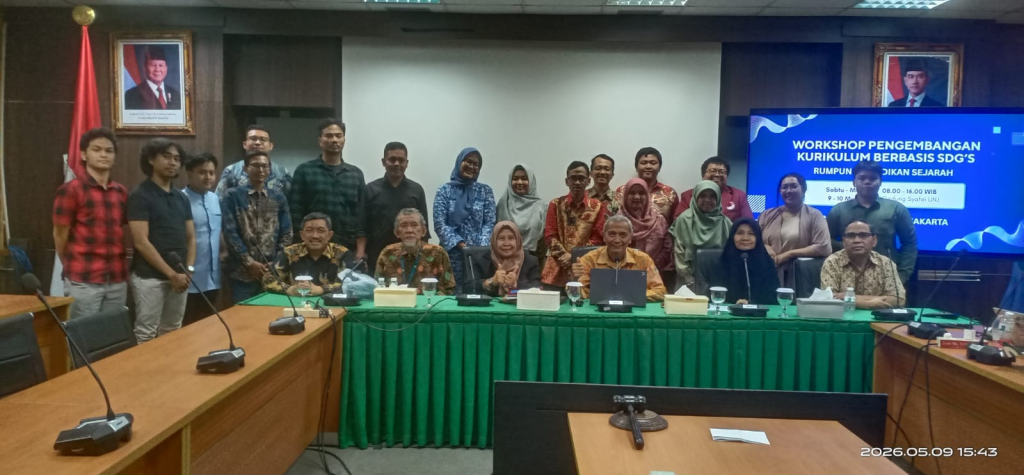
Jakarta, May 10, 2026 — The Undergraduate and Graduate History Education Study Programs of the Faculty of Social Sciences and Law, Universitas Negeri Jakarta (FISH UNJ), held a Workshop on Sustainable Development Goals (SDGs)-Based Curriculum Development on Saturday–Sunday, May 9–10, 2026, at Meeting Room 801, M. Syafei Building, UNJ. The activity served as a strategic step for the History Education Study Program to strengthen its curriculum in response to developments in science, global challenges, workforce needs, and the direction of sustainable development.
The workshop was attended by lecturers, students, alumni, stakeholders, professional organizations, the Indonesian History Teachers Association, and representatives of the History Subject Teachers’ Forum. The involvement of these various parties reflected the commitment of the History Education Study Program at FISH UNJ to developing a curriculum that is not only academically strong, but also relevant to the needs of society, education, and contemporary professional sectors.
The activity featured two keynote speakers: Dr. Tarunasena, M.Pd. from the History Education Study Program, Faculty of Social Sciences Education, Universitas Pendidikan Indonesia, and Dr. Abrar, M.Hum. from the History Education Study Program, FISH UNJ. Both speakers provided conceptual and practical insights into the importance of integrating the SDGs into history education curricula in higher education.
On the first day, Dr. Abrar, M.Hum. delivered a presentation on the integration of the SDGs into history learning. He emphasized that history education plays an important role in developing students’ critical awareness of global issues, including climate change, social inequality, humanitarian conflict, gender equality, and sustainable development. According to him, history is not only a field for understanding the past, but also a reflective space for interpreting present and future challenges.
The integration of the SDGs into history learning can be carried out through the strengthening of historical case studies, issue-based learning, social reflection, and the development of learning projects related to the environment and society. Through these approaches, history learning is expected to shape students’ character, social awareness, global responsibility, and critical thinking skills.
In addition to the keynote presentation, the first day also included a discussion and alumni feedback session on curriculum relevance to the world of work. Alumni shared various insights on the importance of developing a curriculum that is more responsive to technological advancement, environmental issues, global social change, and the shifting professional landscape for History Education graduates.
During the session, participants highlighted the need to broaden the career orientation of History Education graduates beyond the teaching profession. Several professional pathways discussed included museum educator, museum curator, cultural officer, cultural heritage manager, historical researcher, popular writer, journalist, archivist, educational content developer, and careers in the creative and media industries.
The input from alumni and stakeholders further emphasized the importance of developing multidisciplinary competencies among History Education students. Graduates are expected not only to master the substance of historical knowledge, but also to possess practical skills such as public communication, digital literacy, academic and popular writing, leadership, event management, creativity, and adaptability in response to changes in the world of work.
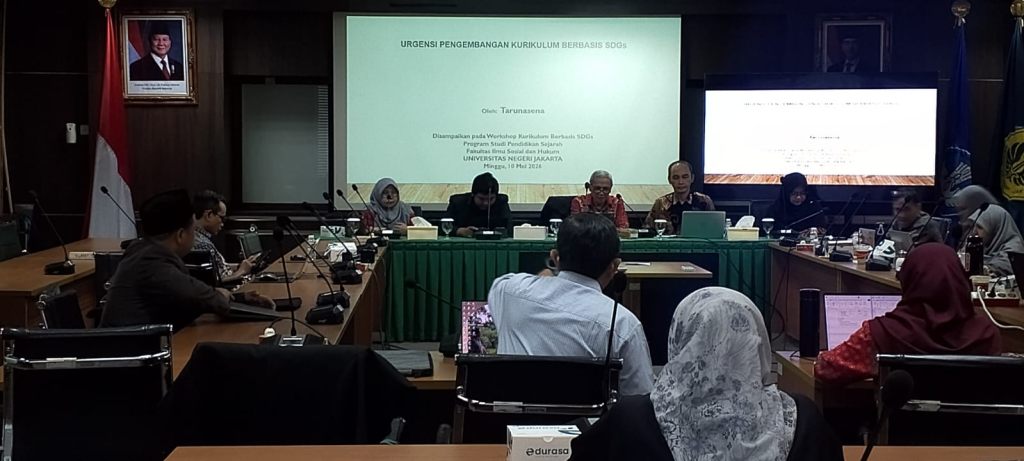
On the second day, Dr. Tarunasena, M.Pd. delivered a presentation on the urgency of SDGs-based curriculum development. He explained that higher education institutions need to integrate teaching, research, and community service within the SDGs framework as part of their academic and social responsibility. According to him, study programs should produce graduates who are not only academically competent, but also concerned with humanitarian, environmental, cultural, and sustainable development issues.
Dr. Tarunasena, M.Pd. also recommended the development of thematic courses relevant to contemporary global challenges, such as Environmental History, Gender History, Diplomatic History, Maritime History, and other thematic historical studies. These courses are considered important for broadening students’ perspectives on global issues while strengthening the relevance of historical studies in modern life.
The second day also featured input from professional organizations, delivered by Dr. Sumardiansyah Perdana Kusuma, M.Pd. from the Indonesian History Teachers Association. In his presentation, he explained various forms of advocacy carried out by history teacher professional organizations in supporting and strengthening the position of history subjects at the primary and secondary education levels.
Ia menegaskan bahwa mata pelajaran sejarah memiliki posisi penting dalam membangun identitas nasional, kesadaran kebangsaan, dan karakter generasi muda. Oleh karena itu, pendidikan sejarah perlu terus diperkuat melalui pengembangan kurikulum, peningkatan kualitas pembelajaran, serta penguatan profesionalisme guru sejarah di Indonesia.
Selain dari organisasi profesi, stakeholder dari sektor museum dan media juga memberikan masukan mengenai kebutuhan kompetensi lulusan Pendidikan Sejarah. Mereka menekankan bahwa lulusan sejarah saat ini perlu dibekali kemampuan komunikasi profesional, public speaking, pengelolaan media digital, dan keterampilan menulis agar mampu bersaing di sektor pendidikan, kebudayaan, media, dan dunia usaha dunia industri.
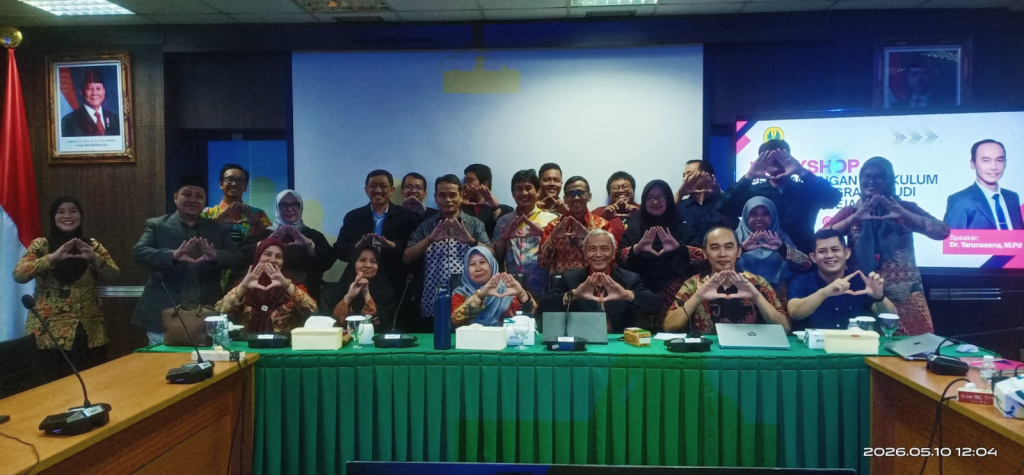
Sebagai penutup, peserta bersama narasumber melakukan sesi review dan evaluasi terhadap kurikulum lama Program Studi Pendidikan Sejarah. Sesi ini menjadi ruang reflektif bagi dosen, alumni, mahasiswa, organisasi profesi, dan stakeholder untuk memberikan saran, kritik konstruktif, serta rekomendasi pengembangan kurikulum yang lebih kontekstual dengan prinsip SDGs dan kebutuhan pasar kerja.
Melalui workshop ini, Prodi S1 dan S2 Pendidikan Sejarah FISH UNJ menegaskan komitmennya dalam menghadirkan kurikulum yang inovatif, adaptif, dan berorientasi pada masa depan. Kegiatan ini sekaligus memperkuat posisi FISH UNJ sebagai fakultas yang aktif mengembangkan pendidikan berbasis relevansi sosial, keberlanjutan, dan kebutuhan dunia kerja, serta mendukung lahirnya lulusan Pendidikan Sejarah yang kritis, berkarakter, kompetitif, dan memiliki kontribusi nyata bagi masyarakat.

Mencerdaskan dan Mencerahkan
Gedung K Kampus UNJ, Jl. Rawamangun Muka Jakarta Timur
Senin - Jumat
08:00 - 16:00 WIB
© 2025 Fakultas Ilmu Sosial dan Hukum – Universitas Negeri Jakarta

We use cookies to improve your experience on our site. By using our site, you consent to cookies.
Manage your cookie preferences below:
Essential cookies enable basic functions and are necessary for the proper function of the website.
You can find more information in our Cookie Policy and Privacy Policy.