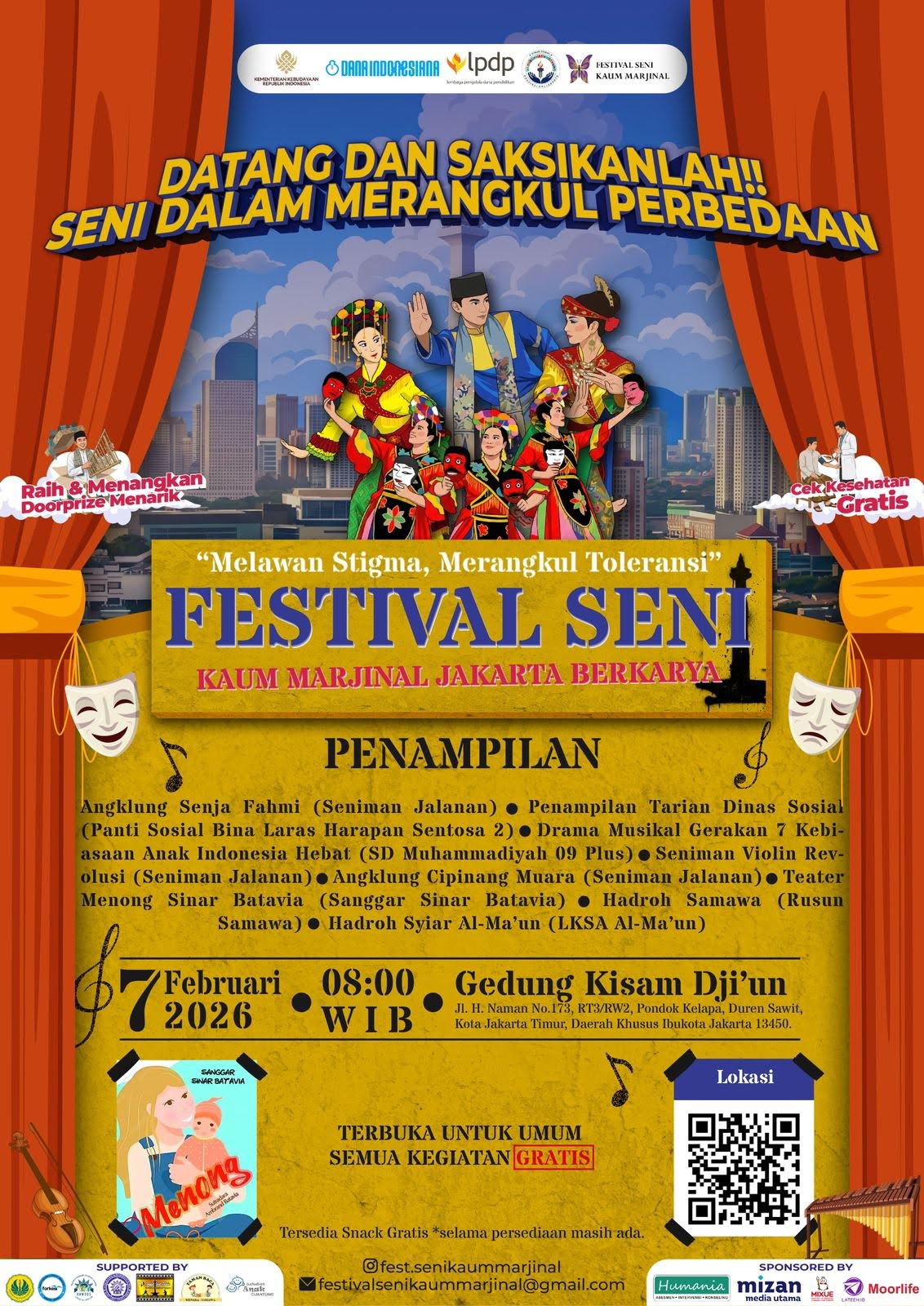
Jakarta, 7 February 2026 — The Jakarta Berkarya 2026 Marginalized Arts Festival, themed “Challenging Stigma, Embracing Tolerance,” was successfully held at Kisam Dji’un Building, East Jakarta, with support from various institutions, including Universitas Negeri Jakarta (UNJ). The festival provided an inclusive public space for marginalized communities to showcase their artistic talents, creativity, and cultural potential, while strengthening the message of social inclusion.
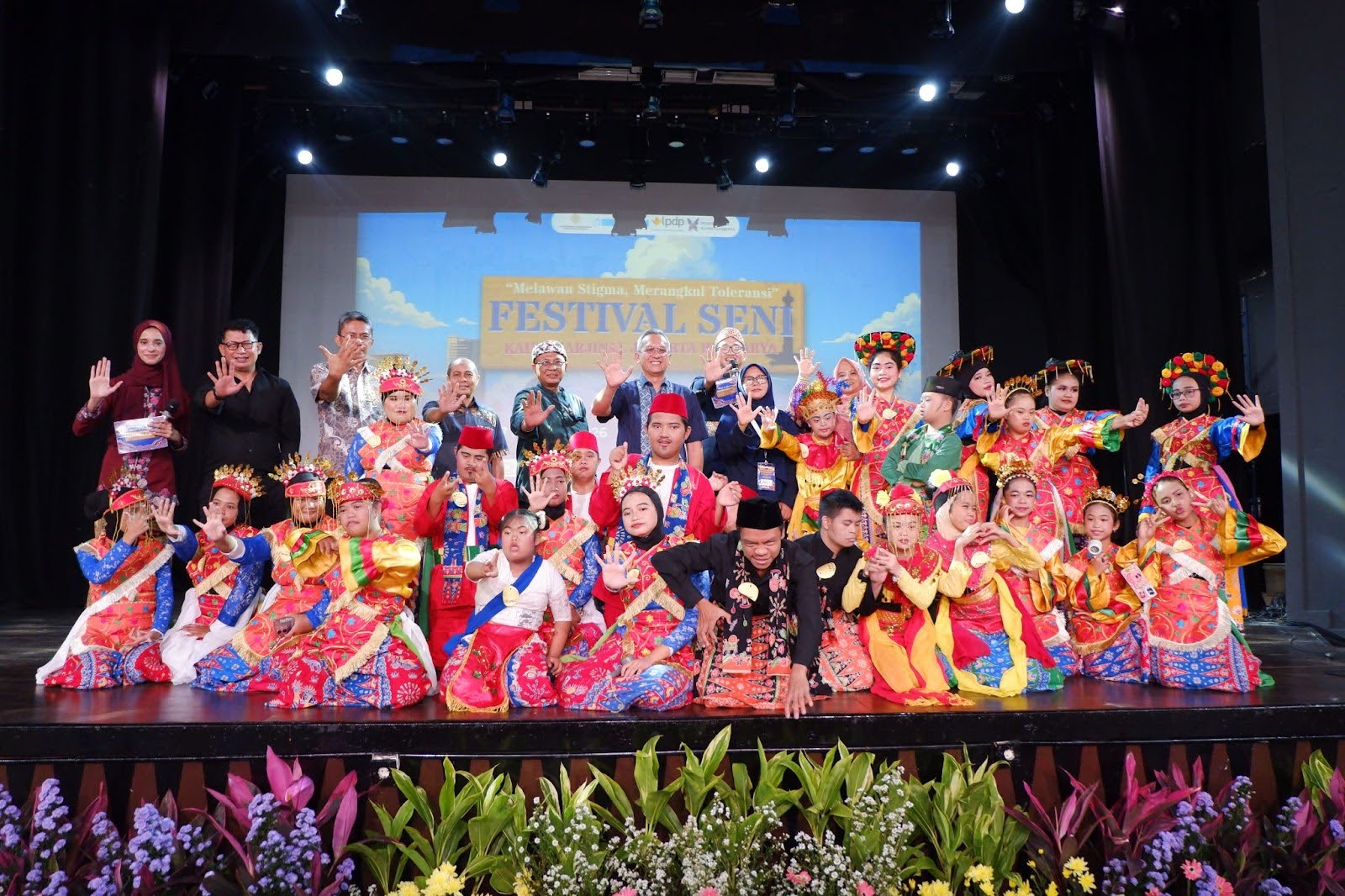
The event marked the final stage of a series of art competitions, including dance, poetry recitation, and coloring contests, and concluded with a collaborative arts festival featuring performances from diverse community groups. The dance and poetry competitions took place at the Auditorium Stage, while the coloring competition was held in the Glass Room, each serving as a central activity hub throughout the event. The program began with an opening session led by the master of ceremonies, followed by competition briefings, introductions of the judging panel, and a joint photo session.
The festival was attended by representatives from various institutions, including the Head of the East Jakarta Office of Culture, Berkah Shadaya, S.STP., M.Si., the Head of the East Jakarta Office of Social Affairs, Agata Bayu Saputra, S.STP, and the Chairman of the Jakarta Arts Council, Bambang Prihadi, along with invited guests and partner organizations.
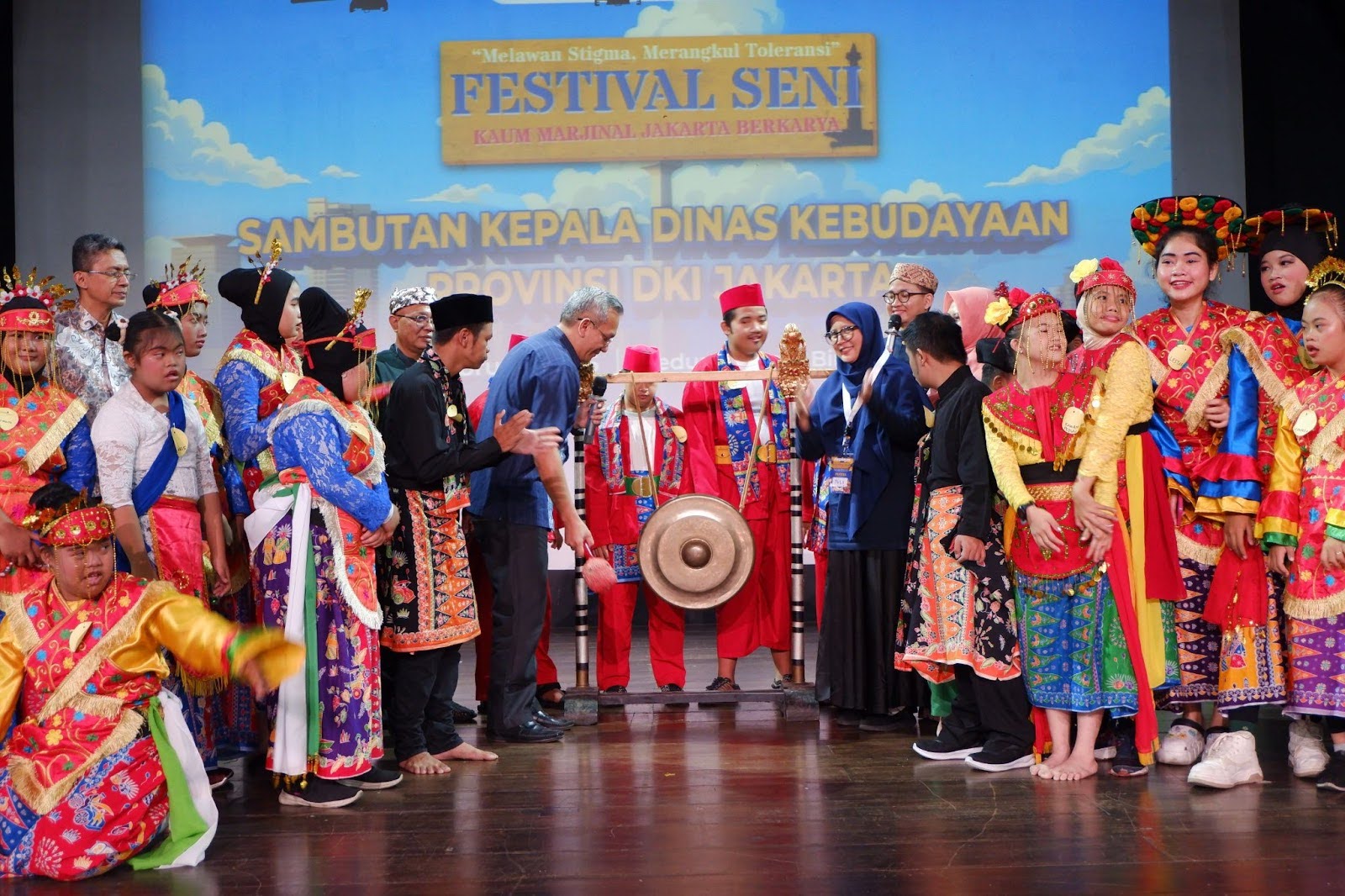
The event was initiated by Dr. Shahibah Yuliani, S.Sos., M.Pd., a lecturer in Social Studies Education at the Faculty of Social Sciences and Law (FISH), UNJ. In her opening remarks, she emphasized that the festival serves as an expressive platform for marginalized communities to channel their creativity through various art forms. “This festival is a space for our friends from marginalized communities to express their creativity through dance, poetry, and coloring,” she stated.
Support for the festival was also expressed by the Head of the East Jakarta Office of Culture, Berkah Shadaya, who highlighted his long-standing aspiration to create inclusive spaces for marginalized artists, particularly those who rely on street art as their livelihood. “During my tenure, I have aspired to organize activities that involve our brothers and sisters who have long depended on street-based art as their means of living,” he said, reaffirming his full support for the festival. He further noted that the term marginalized represents communities that are often socially excluded, despite possessing significant creative potential.
“Through events like this, we hope marginalized communities receive greater care and attention from society,” he added, expressing his hope that the festival will become a sustainable annual agenda as a form of recognition and appreciation for marginalized artists.
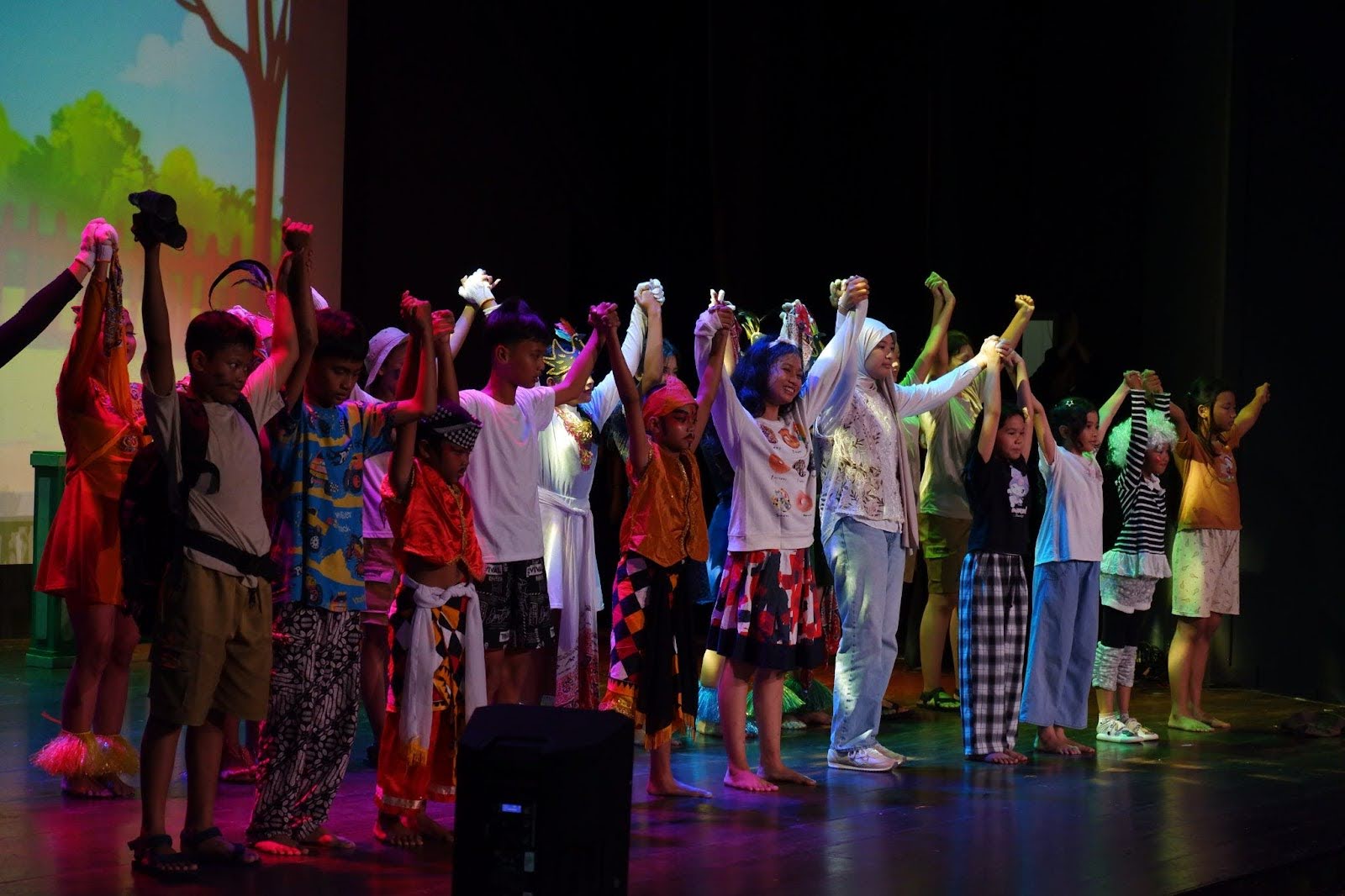
The festival featured a wide range of performances, including Angklung Cipinang Muara, Hadrah LKSA Al-Ma’un, traditional dances by the Social Affairs Office’s Bina Laras Social Institution, street artists (Biola Violin Revolusi), the musical drama “7 Habits of Healthy Indonesian Children” performed by students of SD Muhammadiyah 09 Plus, Hadrah Rusun Samawa, Angklung Seniman Cijantung Fahmi Senja, and Teater Menong from Sanggar Sinar Batavia.
In the competition sessions, poetry finalists recited “Membaca Tanda Tanya” by Taufik Ismail, while dance groups from the Indonesian Special Children Communication Forum (FKSI) performed Betawi-themed dances such as Ondel-Ondel, Kembang Jatoh, and Kicir-Kicir. Seven dance groups participated, including Harmony Group, Kawan Peduli Group, Lestari Group, The Boys Group, Cempaka Group, Edelweiss Group, and Pelangi Group. di antaranya Grup Harmony, Grup Kawan Peduli, Grup Lestari, Grup The Boys, Grup Cempaka, Grup Edelweiss, dan Grup Pelangi.
The coloring competition winners were Karin Tasya Selvia (First Prize), Nanda (Second Prize), and Siti Sanita (Third Prize). In the poetry competition, Abdul secured first place, followed by Alfridho Nugi Pratama in second place and Azizah Salsabila in third place. Meanwhile, the dance competition was won by Pelangi Group (First Prize), The Boys Group (Second Prize), and Kawan Peduli Group (Third Prize).
Through the Jakarta Berkarya 2026 Marginalized Arts Festival, UNJ and its partners reaffirmed their commitment to challenging stigma, embracing tolerance, and expanding equal participatory spaces for marginalized communities.
Writers: GIC & NA
Editor: NH
FISH Media Center Team 2026